
Five and a half million people in very little space
The most densely populated region in Italy, and at the same time the one with the largest national park in the south.
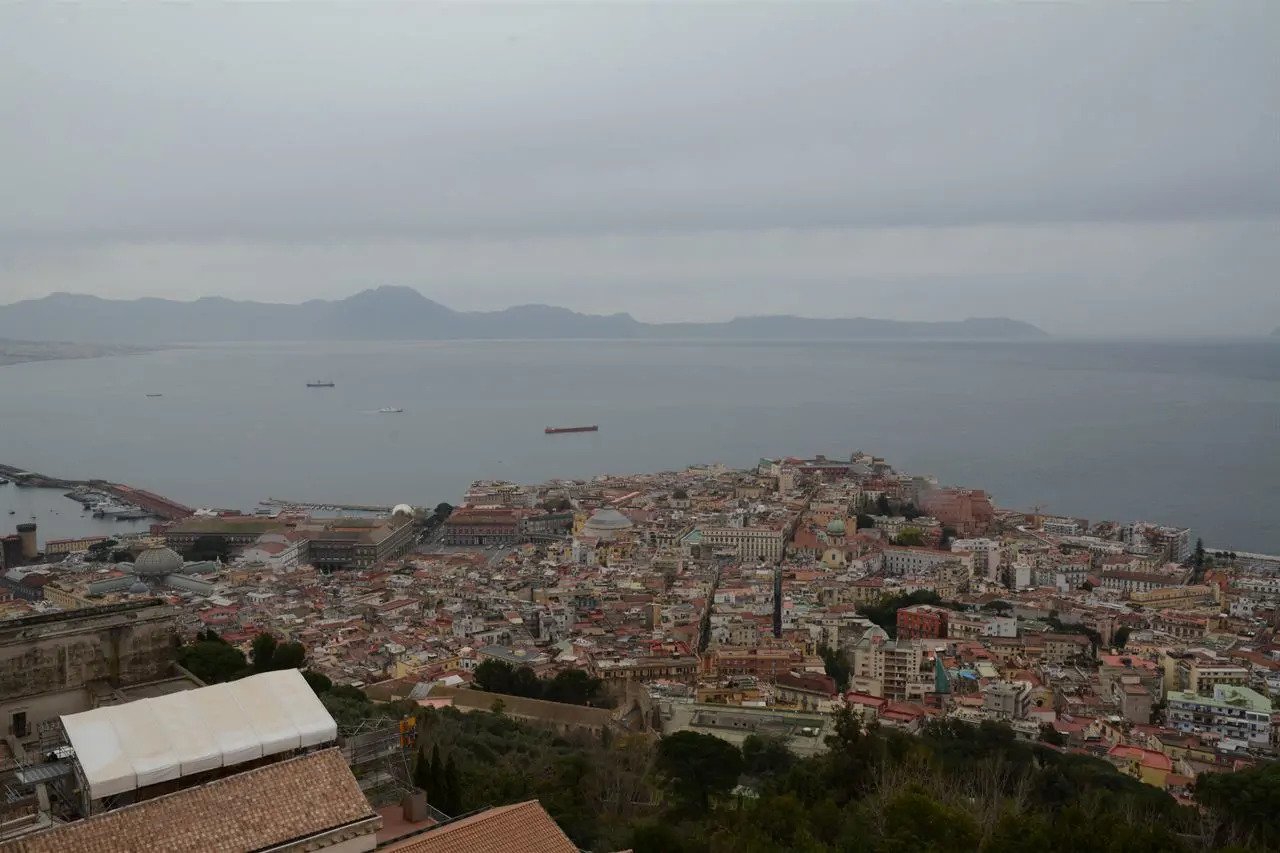
The first thing to grasp about Campania is that it is full. Almost five and a half million people live here, most of them in the belt between Naples, Caserta and Salerno: it is the most densely populated part of the country, and anyone who turns up in August expecting to move around as they would in Basilicata loses half their holiday in traffic. The second thing to grasp is that fifty kilometres are enough to leave it behind completely.
The bay, which is the full part
The bay of Naples is an amphitheatre of houses curving around an active volcano. Inside it are the city, the Phlegraean Fields with their spent craters, Pompeii and Herculaneum, and the Sorrento peninsula closing it to the south. It is the part of the region with the most to see and the least room to stay: there are campsites, but they are small, and you choose to be here for the position, not for the quiet.
The Cilento, which is the empty part
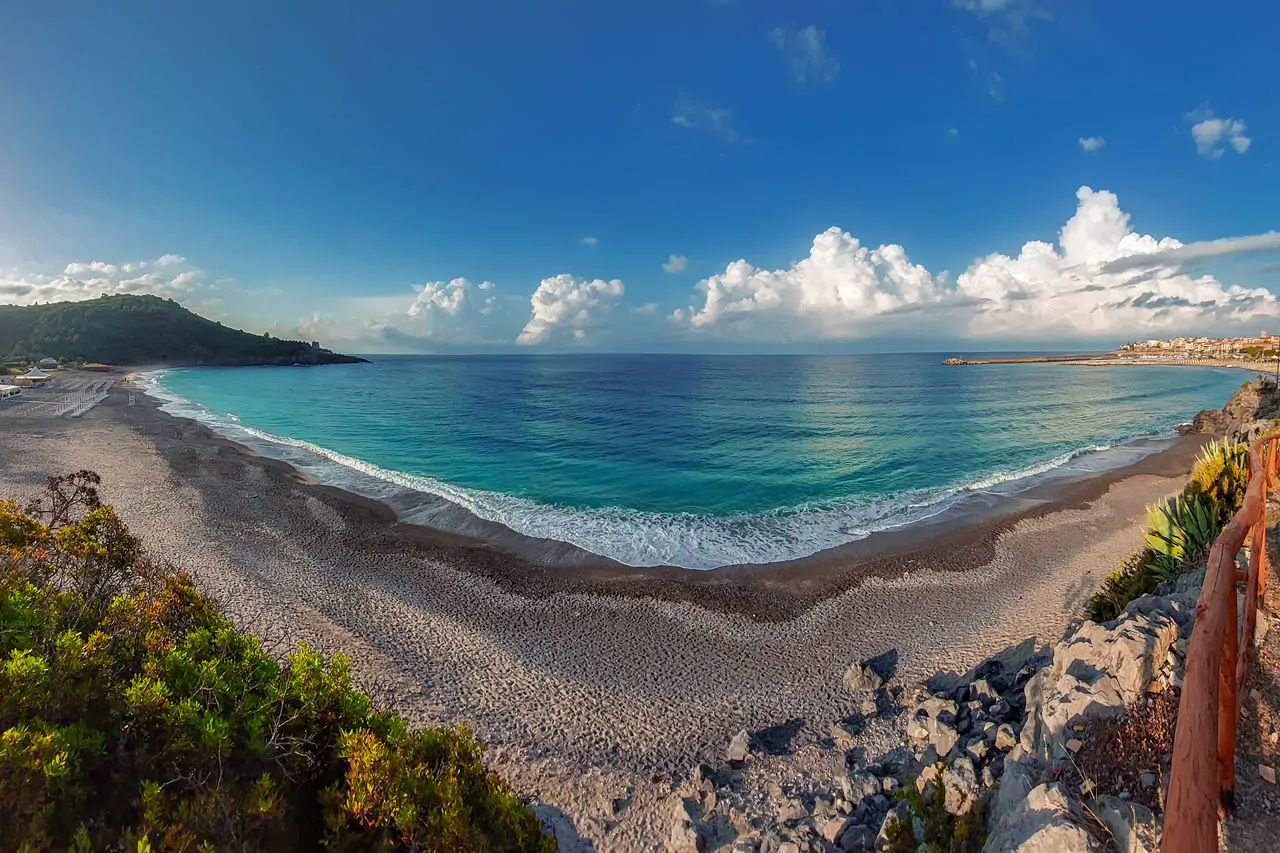
Below Salerno the region changes character in half an hour of driving. The Cilento is a national park the size of a province, with a high, indented coast, mountain villages a few kilometres from the sea and an idea of holidaymaking that belongs to thirty years ago. The largest campsites in Campania are here, and people come for the sea, not for the museums.
The bay you visit, the Cilento you live in.
The difference between the two Campanias
How to plan it
Choosing the base is almost the whole holiday. Anyone who wants to see Pompeii, Naples, the coast and the islands should settle between Pozzuoli and Sorrento and allow for the traffic. Anyone who wants the sea should settle in the Cilento and go no further inland than Paestum and Padula. Doing everything from a single base is possible, but it means two hours in the car every day, and more in August.
The other thing to allow for is that here the best way to travel is often not the car. For Naples there is the Circumvesuviana railway, for the islands there are ferries and hydrofoils, and for the Amalfi Coast the bus is less tiring than the SS163, where in summer passing a coach costs ten minutes.